
Solo miners: a few watts, a shot at a whole block
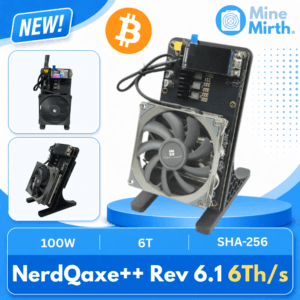
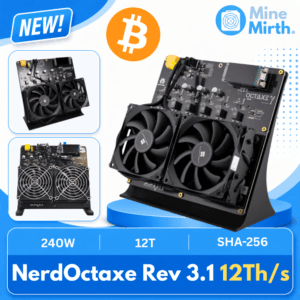
Bitaxe and other open-source miners use a single efficient ASIC chip and a few watts. Pointed at a solo pool, they buy you a real chance at the full block reward: 0.017 BTC in fees plus the 3.125 BTC subsidy.
Solo miners
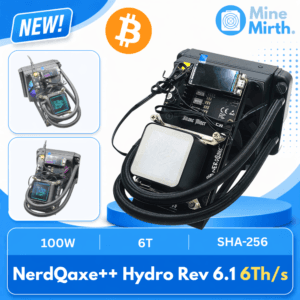
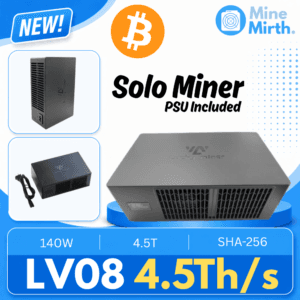
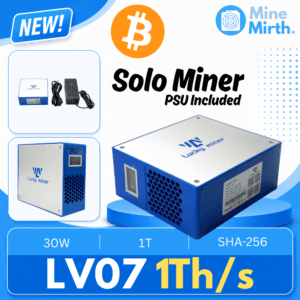
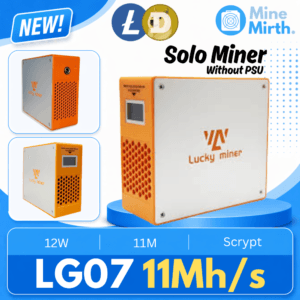
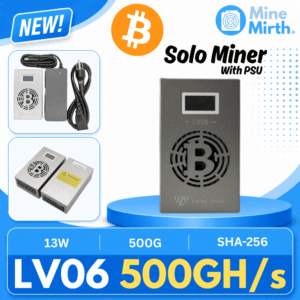
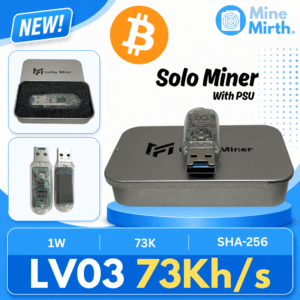
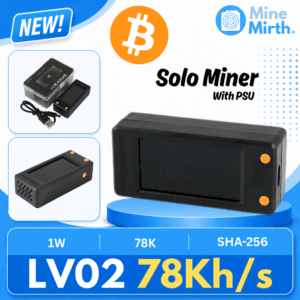
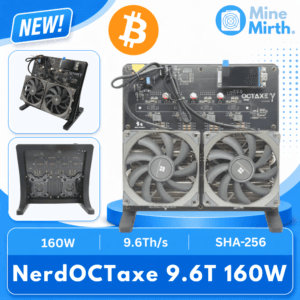
A lottery ticket that secures the network
A 1 TH/s miner contributes a tiny share of the network’s hashrate, so the chance of finding a block on any day is very small, yet blocks have been found by solo home miners. The expected value is the same as pool mining; it just arrives all at once, or never.
Solo miners are also the best way to learn: open hardware, open firmware, a web interface and a fan you can barely hear.
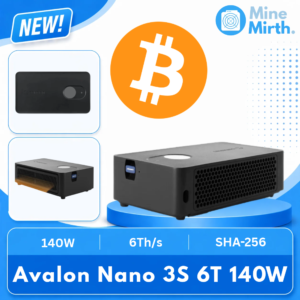
- Draws roughly 15 to 100 W depending on model
- Runs on USB-C or a small DC supply
- Point it at a solo pool with your own address
Your odds of finding a block
Getting started with solo miners
Solo miners connect to a solo pool with your own Bitcoin address as the username. If the device ever finds a block, the full reward goes to that address. Until then, it simply keeps trying, using about as much power as a light bulb.
Set realistic expectations: the odds per day are tiny. Check them with the solo odds calculator, and enjoy the device as a way to learn how mining works and to support the network.
Questions, answered
What is a Bitaxe?
An open-source Bitcoin miner built around one ASIC chip. Its hardware and firmware designs are public, so anyone can build, repair or improve one.
Can a solo miner pay for itself?
Not reliably: on average it earns about what its hashrate would earn in a pool, which is small. Buy it for the chance at a block and for learning.
Which solo pool should I use?
Use a reputable solo pool, or your own node, and enter your own Bitcoin address as the username so any reward goes to you. See the solo mining guide.
Related collections and guides
Get your ticket
Ask about solo miners in stock.